


Yerba Mate Grand Cru: The refined alternative to green tea
 Alexis · Founder of YVY Maté
Updated on
3 min read
Alexis · Founder of YVY Maté
Updated on
3 min read

Key takeaways
- Grand cru designates our exceptional yerbas: agroforestry, hand harvest, minimum 18-month aging
- Its mastered bitterness and fine notes bring it close to a great green tea
- Honey, hazelnut, dried fruit: an aromatic palette standard mate never reaches
- The ideal gateway for tea lovers in search of something new
The hot-drinks market keeps growing richer with new flavors and experiences for tea and coffee lovers. Among these alternatives, yerba mate, South America's traditional drink, is gaining popularity in France.
In this article, we introduce grand cru yerba mate, an exceptional variety that charms with its refined flavor and moderate bitterness.
We'll explain how this drink comes very close to green tea, and why it's time to initiate yourself into tasting yerba mate.
Grand cru yerba mate's aromas: a whole new tasting experience

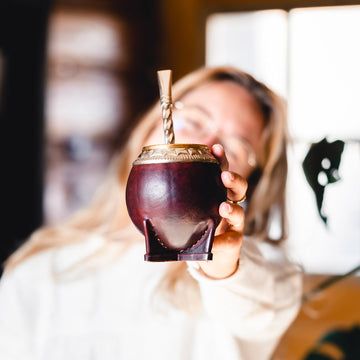
Tasting a traditional mate
Origin and harvest
Grand cru yerba mate comes from South America's finest plantations, where the yerba mate plants are farmed with care, in agroforestry, and hand-harvested at maturity to preserve their quality and unique flavor. Harvesting generally happens every two years, yielding leaves rich in aromas and nutrients. To learn more about our harvesting methods, we explain everything here: the factors that influence mate's taste
Drying and aging process
After harvest, the yerba mate leaves undergo a specific drying and aging process (or none) that preserves and develops their aromas. Aging time varies with the yerba mate variety and the desired result, but for the grand cru it runs at least 24 months.
A refined, complex flavor
Grand cru yerba mate offers a unique flavor palette, combining herbal, grassy and lightly toasted notes. Tasting it also reveals touches of honey, hazelnut and dried fruit, lending it incomparable complexity and aromatic richness. Each type of yerba concentrates an aromatic flavor of its own: more herbal for green mate, more powerful and toasty for roasted mate, for example.
Our three eco-refill Grand Crus: the 24-Month Aged Mate – the grand cru benchmark —, the Green Mate and the Roasted Mate.
Moderate bitterness: an accessible, pleasant drink

Organic Grand Cru aged mate
Bitterness under control
Unlike some yerba mate varieties, the grand cru shows moderate bitterness, making it more accessible and pleasant for newcomers. This character comes from the rigorous leaf selection and the aging process, which balances the flavors and softens the plant's natural bitterness.
Optimal preparation
To fully enjoy grand cru yerba mate's flavor and minimize its bitterness, it's essential to follow the yerba mate preparation steps. That means measuring the yerba mate properly, adding water at the ideal temperature (around 80°C) and letting it all steep a few minutes.
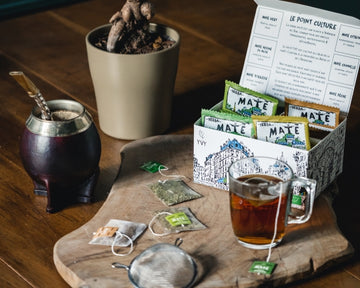
No worries: you can start out brewing your mate with our plastic-free tea bags to discover yerba mate's flavor gradually!
Comparison with green tea
Grand cru yerba mate comes close to green tea in flavor and bitterness, notably through its herbal, grassy notes. Just like green tea, yerba mate is also recognized for its health benefits and its antioxidant content.
Why choose grand cru yerba mate as a green tea alternative

Tasting Grand Cru mate in a tea bag
Aromatic diversity
Grand cru yerba mate's aromatic richness makes it an interesting alternative to green tea, letting enthusiasts discover new flavors while keeping an accessible, mildly bitter taste.
Health benefits
Yerba mate is rich in antioxidants, vitamins and minerals, helping support the immune system, improve digestion and promote focus. These green-tea-like benefits make it an ideal option for health-conscious drinkers.
We've written an article covering mate's benefits in more detail.
A culture and a tasting ritual
Discovering grand cru yerba mate is also a chance to immerse yourself in South American culture and share a convivial moment around the traditional tasting ritual, through the gourd and the bombilla. This social, cultural dimension adds a unique experience to tasting yerba mate.
Grand cru yerba mate is an excellent green tea alternative for anyone wanting to explore new flavors without giving up health benefits and controlled bitterness.
Grand cru mate is arguably the best way to discover this exceptional drink and set off on the yerba mate tasting adventure. So wait no longer - dare the experience and let yourself be won over by grand cru yerba mate's delicate, refined aromas.
Frequently asked questions
What is a Grand Cru mate?
What is the difference between a standard mate and a Grand Cru?
Is Grand Cru mate less bitter?
Want to taste an exceptional organic mate?
Discover our yerbas, sourced directly from our partner growers committed to agroforestry, and certified organic.
Discover the shopRead next

Starting Mate: Which Mate to Choose for Your First Time?

Wooden Mate Gourds (Carob, Palo Santo): The Guide to Proper Curing
