


 Alexis · Fondateur d'YVY Maté

Mate tea, also known as mate or yerba mate, is more than a mere drink in South America. It embodies a rich cultural and historical tradition reaching back centuries.
In this article, we dive into the fascinating world of mate, exploring its origins, its cultural importance and the customs surrounding it.
Origins of mate tea
Mate tea, from the Ilex paraguariensis shrub, is deeply rooted in the history and culture of South America's subtropical regions. The plant is native to areas such as Paraguay, Argentina and southern Brazil.
Its discovery and initial use by indigenous peoples, notably the Guaraní and the Tupí, laid the foundations of what would become an enduring tradition.
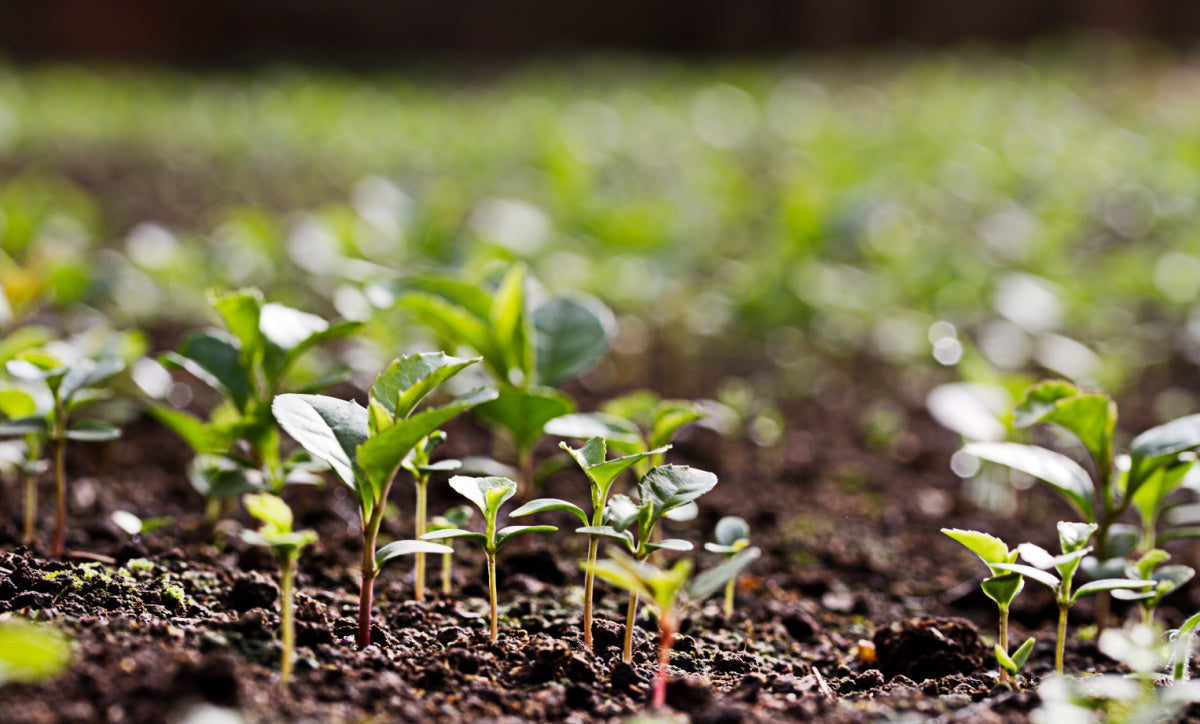
Young mate tea shoots
The beginnings of mate tea farming
The Guaraní and Tupí were among the first to recognize and prize mate tea's unique qualities.
These communities began farming the plant, using its leaves not only as a refreshing, energizing drink, but also for its medicinal properties. Mate was used in various traditional treatments, from soothing physical ailments to improving concentration.
According to a Guaraní legend, the mate tea plant was a gift from a god to their people, a symbol of wisdom and knowledge. The story highlights the deep respect and sacred meaning attributed to mate.
Mate in the colonial period
Mate tea's introduction into European culture began with the arrival of the Spanish conquistadors and missionaries in South America in the 16th century.
Intrigued by the practices of the indigenous peoples, notably the Guaraní, who held the plant in high regard, the European colonists quickly adopted mate tea, fascinated by its stimulating effects and medicinal properties.

Mate tea in tea bags
The Jesuits' role in spreading mate
The Jesuit missionaries played a decisive role in the expansion of mate farming.
Recognizing the plant's economic potential and benefits, they set up systematic farming methods, creating mate plantations that helped commercialize the drink and grow its popularity beyond the indigenous communities.
Yerba mate became a precious commodity, not only in daily life but in the economy too.
Cultural and social impact
Mate tea drinking quickly spread beyond the Guaraní and Tupí communities, gaining popularity as knowledge of the plant travelled across South America's different cultures and societies.
Over time, mate tea became a central element of social and cultural life in many South American regions, transcending geographic and cultural borders to become a symbol of unity and community.
Mate production and varieties
Yerba mate production has grown and diversified considerably since its origins.
Today it's mainly concentrated in South American countries like Argentina, Paraguay and southern Brazil. Each region has developed its own farming and processing methods, shaping the nuances of mate tea's flavor and quality.
To learn more about mate production, discover our article on mate farming.

Preparing young mate tea shoots
Mate tea varieties and flavors
There are several mate tea varieties, each with a unique flavor profile. Among the most popular:
- Green mate tea - freshly harvested, it offers a smooth, delicate, grassy flavor.
- Aged mate tea - aged for 24 months to reach balanced bitterness and concentrate its flavors.
- Roasted mate tea - with a stronger, more pronounced taste, thanks to the low-temperature roasting process.
Each terroir and each production method greatly influences mate's final flavor.
By the way, we've tested and rated all the mate tea brands for you in our comparison guide.

Mate tea in infusion format
The different ways to drink mate tea
Mate tea can be enjoyed in various ways, each suiting a moment of the day or a habit.
-
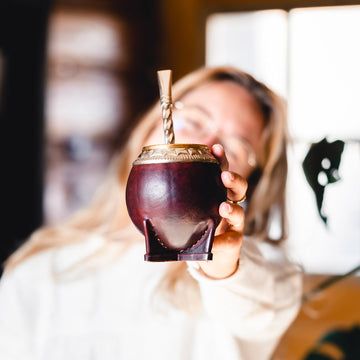
Traditionally, in a mate gourd: the most authentic way to savor mate tea is with a gourd and bombilla. This traditional method fosters sharing and conviviality, symbolizing community spirit.
-
Classic hot infusion: outside tradition, mate tea can be prepared like an ordinary herbal tea, steeped in hot water and served in a cup, suited to individual drinking.
-
Cold mate tea, or tereré: in hot climates, mate tea is often enjoyed cold, known as tereré. Brewed with cold water, sometimes with fruit juice or herbs added, it makes a refreshing drink ideal for hot days.
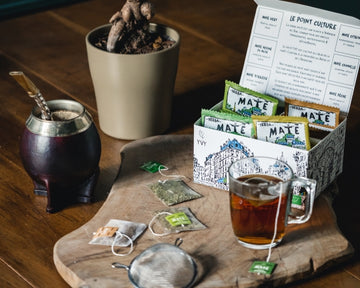
- Mate tea bags: for quick, convenient preparation, mate tea comes in tea-bag form, offering convenience without sacrificing traditional taste.
For more detail and explanation of the different ways to drink mate tea, we invite you to read our article: Top 5 ways to prepare your organic mate
Keen to taste mate tea in all its forms? Our Green Mate, our 24-Month Aged in tea bags, or the Discovery Kit for the full experience.
Mate on the global market
Yerba mate has earned international recognition, thanks to its unique flavors and health benefits. This growth has driven rising exports to countries beyond South America, where mate tea is enjoyed by a new generation of drinkers.
Mate's production and varieties reflect a rich cultural and regional diversity. From its traditional harvest to its growing presence on the world market, mate keeps winning people over with its distinct flavors and deeply rooted cultural heritage.


