


Mate expressions explained in less than 5 minutes
 Alexis · Founder of YVY Maté
Updated on
3 min read
Alexis · Founder of YVY Maté
Updated on
3 min read

Key takeaways
- Yerba, bombilla, gourd: the basic trio every matero learns first
- Montañita, cebador, mate lavado: the words of the preparation and sharing ritual
- Amargo or dulce, con palo or sin palo: the vocabulary for choosing your yerba
- Guampa, cuia, tereré, cocido: each South American country has its own mate dialect
The mate universe brims with expressions and vocabulary that can look rather barbaric at first glance to the uninitiated.
So, what is a bombilla? What is a gourd? And what is a matero?
Mate accessories
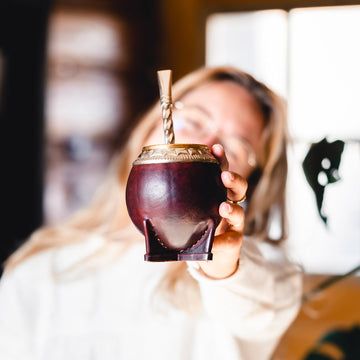
Gourd (calabash):
The mate gourd is one of the main tools for drinking yerba mate. It's the vessel in which the South American drink is brewed.
Bombilla:
The mate bombilla (or mate straw) is the tool used to sip the water from the mate gourd. It doubles as straw and filter. It can be made of stainless steel, aluminum, Alpaca, solid silver or even gold!
To start out with all the essentials, discover our complete kits: the Discovery Kit, the Ceramic Kit, the Torpedo Kit, the Camionero Kit or the Termolar Stainless Steel Kit.
Bomba:
The bomba is similar to the bombilla, but with a round tip. It's found mostly in Brazil for drinking Chimarrão.
Bombillon:
The bombillon is a bombilla too, but smaller and lighter. It's better suited to small gourds.
Squash:
The squash is the fruit the gourd comes from.
Mate:
The mate (in the vessel sense) is the gourd itself. This usage is very common across Spanish-speaking Latin America.
Thermos:
The mate thermos is the vessel where the hot (or iced) water is stored. It's also used to pour water into the mate gourd.
Guampa:
The guampa is similar to the gourd, but made from a calf or bull horn. The name is used in Paraguay, where it best suits tereré - the local cold drink.
Cuia (Brazilian gourd for chimarrão):
The cuia is a special Brazilian gourd. The vessel itself is the same as the mate gourd.
Matera:
The matera is the mate carry bag. Inside, you'll most often find:
- A gourd
- A bombilla
- Some yerba mate
- A thermos

A matera, or carry bag
Virola, boca:
The boca, or mouth, is the stainless steel or Alpaca band around the mate gourd's rim.
Alpaca:
Alpaca, also called German silver, is the metal most used in South America for the "boca" (mouth) band, and for crafting the bombilla too.
Mate preparations
Tereré:
It's cold mate! In Paraguay, the infusion is most often drunk with very cold, even iced, water.
Lavado:
"Lavado" means washed leaves - the yerba has already been brewed and has lost its taste.
Curing your gourd:
Curing your gourd is the process of preparing a brand-new gourd before its first use.
Cebador:
The cebador is the person in charge of preparing the yerba mate. Find out right here how to prepare a traditional mate like a true cebador!
Matear:
Matear is the Spanish verb meaning "to drink mate".
Matero:
A matero is a "yerba mate lover". Drinkers of the South American infusion are thus materos.
Montañita:
The montañita is the little mountain of leaves you shape while preparing a traditional mate.
The well:
The well is the space beside the montañita that collects the hot water during traditional mate brewing.
Gaúcho:
A gaúcho is the archetypal Argentine, Brazilian and Uruguayan cowboy. These horsemen tend cattle in the pampa, South America's plains.
They are great yerba mate drinkers, symbols of the sharing and conviviality at the heart of that community.
Types of mate
Sin palo, or despalada:
Straight from the Spanish for "without stems", sin palo is made exclusively of leaves and/or powder. Sin palo yerba is smoother than con palo.
Con palo:
Con palo is yerba "with stems" - more intense and more bitter than sin palo.
Chimarrão:
Chimarrão is an herb from Brazil. This very powdery yerba differs from the others drunk across the rest of Latin America.

Chimarrão, a popular drink in southern Brazil
Polvo:
Polvo is the Spanish word for "powder". Polvo is the type of yerba mate most drunk in Uruguay - known as the Uruguayan cut. The powder gives the infusion strong bitterness.
Mate cocido:
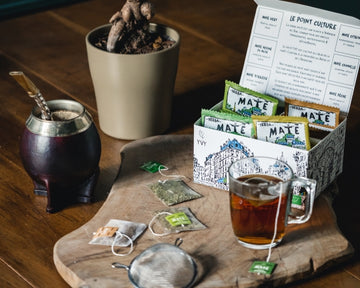
It's a way of drinking yerba without gourd or bombilla, using the tools of coffee and tea instead: tea bags, French press, tea infuser, a filter - and above all our plastic-free mate tea bags
Amargo:
Amargo mate is bitter, or strong.
Yerba mate:
It's the South American plant used for the infusion. Also called Ilex paraguariensis, its leaves are used to prepare the hot drink.
Aged mate:
Aged mate is a green yerba kept in very particular conditions to concentrate its flavors. Aging brings nutty notes and raises the bitterness.
Roasted mate:
Just like cocoa or coffee beans, roasted mate has gone through a low-temperature roasting process for a short time.
Green mate:
Green mate is freshly harvested herb. Mildly bitter and grassy, this yerba comes close to green tea's flavor. It's perfect for anyone after the hot drink's benefits, without its bitterness.
Keen to compare the profiles? Our Green Mate, our 24-Month Aged Mate and our Roasted Mate.
Frequently asked questions
What does “cebador” mean?
What does a “washed” mate (lavado) mean?
What is the difference between a guampa and a mate gourd?
Want to taste an exceptional organic mate?
Discover our yerbas, sourced directly from our partner growers committed to agroforestry, and certified organic.
Discover the shopRead next

Starting Mate: Which Mate to Choose for Your First Time?

Wooden Mate Gourds (Carob, Palo Santo): The Guide to Proper Curing
